Common Mistakes People Make After Getting Window Tint Installed
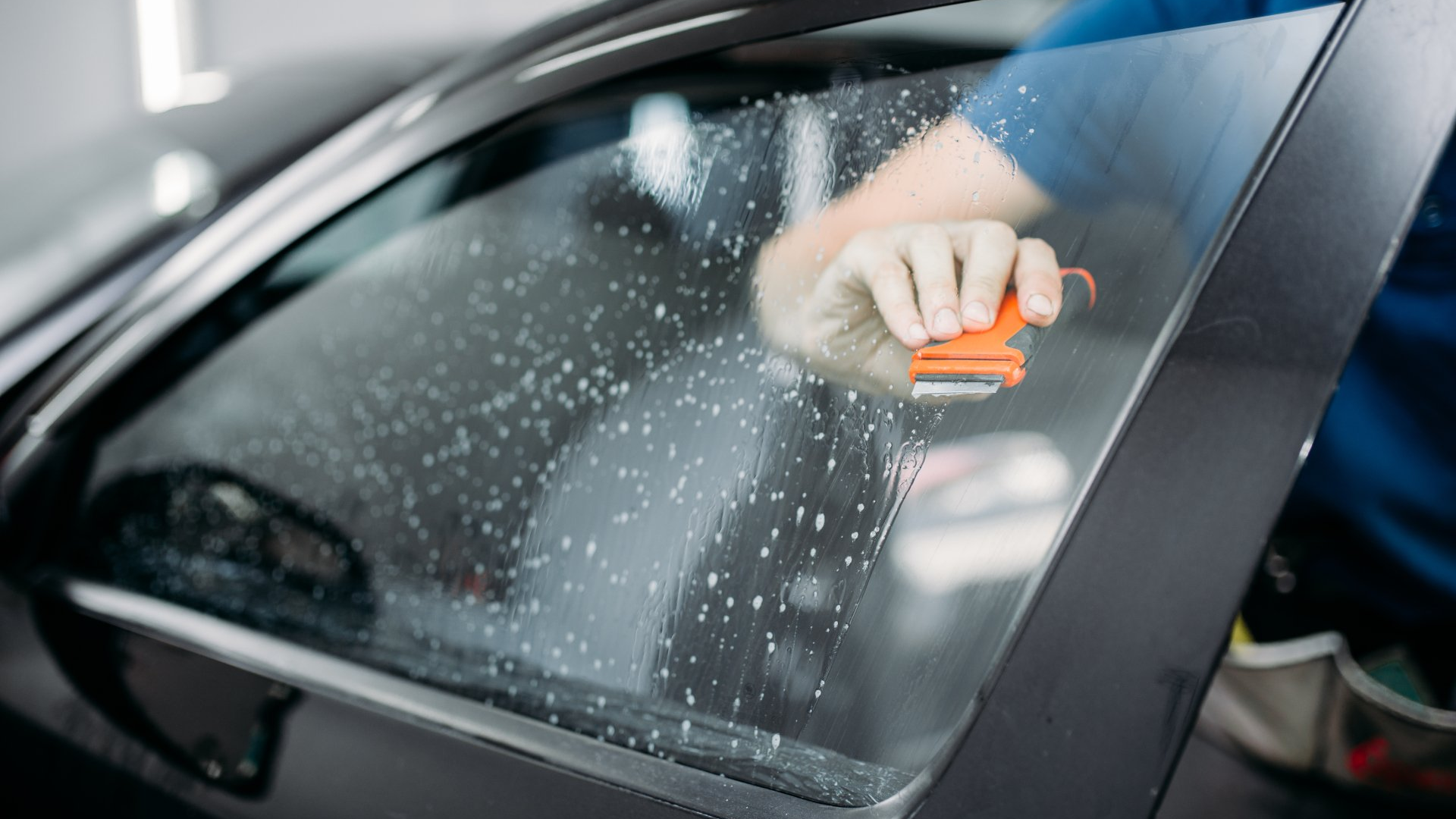
Getting professional window tint installed is one of the best upgrades vehicle owners can make for comfort, privacy, UV protection, and interior preservation. High-quality automotive tint helps reduce heat buildup, block harmful ultraviolet rays, improve driving comfort, and enhance a vehicle’s appearance.
According to Quality Auto Lab Window Tinting Services, professional automotive window tinting helps improve vehicle comfort, appearance, and UV protection when properly installed and maintained.
However, many drivers unintentionally damage or shorten the lifespan of their window tint because they do not follow proper aftercare practices. One small mistake during the first few days after installation can lead to bubbling, peeling, haziness, contamination, or adhesive failure.
For vehicle owners investing in professional tinting services, understanding what not to do after installation is just as important as choosing the right tint film.
This guide explains the most common mistakes people make after getting window tint installed, why these issues happen, and how to properly care for tinted windows to maximize durability and performance.
Why Proper Window Tint Aftercare Matters
Window tint film requires time to fully cure and bond to the glass surface. During this curing period, the adhesive underneath the film remains sensitive to moisture, pressure, and movement.
If the film is disturbed too early, it may lead to:
Peeling edges
Air pockets
Contamination
Permanent bubbles
Distorted appearance
Reduced lifespan
Florida heat, humidity, and sunlight can also influence the curing process, making proper aftercare even more important in warm climates.
Drivers researching UV protection and long-term interior preservation often explore insights from The Importance of Window Tinting for UV Protection During Florida Summers.
What Happens During the Window Tint Curing Process?
After installation, professional tint film contains moisture trapped between the glass and the adhesive layer. Over several days, that moisture evaporates as the film cures.
During curing, drivers may notice:
Slight haziness
Small water pockets
Mild cloudiness
Temporary streaks
In most cases, these are normal and disappear as the film fully dries.
Depending on climate conditions, curing may take:
Weather ConditionTypical Cure TimeHot and sunny weather2–5 daysModerate temperatures1–2 weeksHumid or rainy conditionsUp to 3–4 weeks
Vehicle owners comparing film performance often review Comparing Dyed vs Metalized vs Ceramic Window Tint before choosing a tint type.
Common Mistake #1: Rolling Down Windows Too Soon
One of the biggest mistakes people make is rolling the windows down before the tint has fully cured.
Why This Causes Problems
Fresh tint film has not completely adhered to the glass during the first few days after installation. Rolling windows up and down can:
Shift the film
Lift edges
Create peeling
Cause bubbling
Even slight movement can damage uncured adhesive.
Best Practice
Most professional installers recommend:
Keeping windows closed for at least 3–5 days
Following the installer’s exact curing instructions
Waiting longer during humid or rainy weather
This is one of the easiest ways to avoid early tint failure.
Common Mistake #2: Cleaning the Windows Too Early
Many drivers clean their windows immediately after installation because they notice moisture or streaking.
This is usually a mistake.
Why Early Cleaning Can Damage Tint
During curing, the film remains delicate. Aggressive cleaning can:
Scratch the film
Shift edges
Damage adhesive
Leave permanent marks
Even wiping the inside glass too firmly can interfere with curing.
Recommended Waiting Period
Most installers recommend waiting:
At least 7 days before cleaning tinted windows
Longer if weather conditions are humid
Always follow the guidance provided by the tint professional.
Drivers learning proper maintenance techniques may also benefit from How to Choose the Right Microfiber Towels and Tools for Detailing.
Common Mistake #3: Using Ammonia-Based Glass Cleaners
This is one of the most damaging long-term mistakes vehicle owners make.
Why Ammonia Is Harmful
Ammonia-based cleaners can break down window tint film over time.
Repeated exposure may lead to:
Purple discoloration
Drying and cracking
Adhesive deterioration
Reduced UV protection
Premature peeling
Safe Cleaning Alternatives
Use:
Ammonia-free glass cleaners
Microfiber towels
Tint-safe cleaning products
Gentle cleaning methods help preserve tint clarity and longevity.
Common Mistake #4: Touching or Pressing Bubbles During Curing
Many drivers panic when they see small bubbles or hazy spots after installation.
In most cases, these are completely normal.
Why You Should Avoid Touching the Film
Pressing bubbles can:
Crease the film
Damage adhesive layers
Cause permanent imperfections
Introduce contamination
Temporary moisture pockets often disappear naturally during curing.
When to Contact the Installer
Contact the installer if:
Large bubbles remain after curing
Edges peel excessively
Distortion becomes severe
Film separates from the glass
Otherwise, patience is usually the best approach.
Drivers experiencing installation concerns often read How Professional Window Tinting Prevents Bubbles and Ensures a Flawless Finish.
Common Mistake #5: Scratching the Tint With Seatbelts or Objects
Tint film is applied to the inside surface of vehicle windows, making it vulnerable to accidental scratches.
Common Causes of Tint Scratches
Seatbelts snapping against glass
Pet claws
Sharp objects
Cargo rubbing windows
Abrasive cleaning tools
How to Protect the Film
Be cautious when:
Loading items into the vehicle
Buckling seatbelts
Cleaning windows
Transporting pets
High-quality tint is durable, but physical damage can still occur.
Common Mistake #6: Ignoring Local Tint Laws
Some drivers install extremely dark tint without checking state regulations.
This can result in:
Tickets
Failed inspections
Mandatory removal
Legal complications
Why Legal Compliance Matters
Window tint laws regulate:
Visible light transmission (VLT)
Windshield tint limits
Reflectivity
Medical exemptions
Professional installers typically understand local regulations and can recommend compliant options.
Drivers unsure about legal tint percentages can review Window Tinting Laws in Florida: What Car Owners Need to Know.
Common Mistake #7: Choosing Cheap or Low-Quality Tint Film
Not all window tint products perform equally.
Low-quality films often fail faster and provide weaker protection.
Problems With Cheap Tint Film
Inferior tint may:
Fade quickly
Turn purple
Bubble prematurely
Provide poor heat rejection
Lose adhesive strength
Professional-grade films generally offer better:
UV protection
Clarity
Durability
Heat reduction
Longevity
Drivers comparing product quality often research How to Spot Low-Quality Window Tint Films: A Guide for Car Owners before choosing a film.
Common Mistake #8: Washing the Car Incorrectly
Aggressive washing methods can damage newly installed tint.
Risky Washing Habits
Avoid:
High-pressure spray directly at window edges
Abrasive brushes
Harsh chemicals
Rough scrubbing
Safer Washing Practices
Use:
Gentle hand washing
Soft microfiber towels
Tint-safe cleaning products
Proper washing techniques help preserve both the tint and vehicle finish.
Vehicle owners who regularly schedule Vehicle Detailing Services often maintain better long-term appearance and protection.
Common Mistake #9: Expecting Tint to Prevent All Heat
Window tint significantly reduces heat, but it does not eliminate heat completely.
What Window Tint Actually Does
Quality tint helps:
Reduce solar heat gain
Block UV rays
Improve comfort
Reduce glare
However, cabin temperatures can still rise in direct sunlight.
Factors That Affect Heat Reduction
Performance depends on:
Tint film quality
Vehicle size
Glass area
Sun exposure
Tint darkness
Ceramic vs dyed film technology
Ceramic window tint generally provides superior heat rejection compared to basic dyed films.
Many drivers also explore Does Window Tinting Save You Money on AC Bills when evaluating tint performance benefits.
Common Mistake #10: Not Understanding Tint Types
Many drivers choose tint based only on darkness instead of performance.
Common Window Tint Types
Dyed Tint
Affordable
Basic appearance improvement
Lower heat rejection
Metalized Tint
Stronger durability
Reflective appearance
Possible signal interference
Carbon Tint
Improved heat reduction
Fade resistance
Matte finish
Ceramic Tint
Premium heat rejection
Excellent UV protection
High clarity
No signal interference
Understanding these differences helps drivers make better long-term decisions.
Drivers wanting better heat control often review Window Tinting for Heat Reduction: Which Shades Work Best in Florida before installation.
Common Mistake #11: Parking in Extreme Conditions Immediately After Installation
Fresh tint should ideally cure under stable conditions.
Why Extreme Conditions Matter
Immediately exposing fresh tint to:
Heavy rain
Excessive dust
Mud
Extreme contamination
can interfere with curing quality.
While sunlight actually helps curing, exposure to harsh contaminants during the first few days should still be minimized.
Common Mistake #12: Ignoring Maintenance Entirely
Some drivers assume window tint requires no care after installation.
Even high-quality tint benefits from regular maintenance.
Proper Tint Maintenance Includes
Gentle cleaning
Avoiding sharp objects
Using safe cleaning chemicals
Monitoring for edge lifting
Addressing problems early
Routine care helps maximize lifespan and appearance.
Many Florida drivers pair window tint with Ceramic Coating Services for more complete vehicle protection against harsh weather and UV exposure.
How Long Does Window Tint Typically Last?
The lifespan of automotive window tint depends heavily on:
Film quality
Installation quality
Sun exposure
Maintenance habits
Climate conditions
Average Tint Lifespan
Tint TypeAverage LifespanBasic dyed tint3–5 yearsCarbon tint5–8 yearsCeramic tint10+ years
Florida’s strong UV exposure can shorten lifespan if inferior films are used.
Signs Your Window Tint May Be Failing
Over time, deteriorating tint may show signs of wear.
Common Warning Signs
Bubbling
Air pockets or lifting areas often indicate adhesive failure.
Purple Discoloration
Usually caused by low-quality dyed film degrading under UV exposure.
Peeling Edges
Can result from poor installation or early window movement.
Hazy Appearance
Persistent haze after curing may indicate film failure.
Reduced Heat Rejection
Older tint may lose effectiveness over time.
Drivers experiencing these issues often research When Should You Replace Your Window Tint to determine when replacement becomes necessary.
Benefits of Professional Window Tint Installation
Professional installation helps reduce the risk of premature failure and cosmetic issues.
Advantages of Professional Tinting
Cleaner Installation
Professionals minimize dust and contamination.
Better Film Alignment
Proper cutting and placement improve appearance and longevity.
Warranty Coverage
Many professional tint films include manufacturer warranties.
Legal Guidance
Professionals can help ensure compliance with local tint laws.
Better Product Selection
Experienced installers can recommend films based on climate and driving needs.
The team at Quality Auto Lab focuses on automotive appearance enhancement solutions designed for long-term protection and performance.
Window Tint and Florida’s Climate
Florida is one of the most demanding environments for vehicle interiors.
Why Tint Is Especially Valuable in Florida
Strong UV Exposure
UV rays can damage:
Leather seats
Dashboards
Plastic trim
Upholstery
High Cabin Temperatures
Tint helps reduce heat buildup during hot weather.
Glare Reduction
Bright Florida sunlight can create dangerous driving glare.
Improved Comfort
Drivers often experience better temperature control and less eye strain.
For many Florida vehicle owners, quality window tint is both a comfort upgrade and a protective investment.
Additional automotive care insights are regularly shared through the Quality Auto Lab Blogs section.
Frequently Asked Questions About Window Tint Aftercare
How long should I wait before rolling down tinted windows?
Most professionals recommend waiting 3–5 days, though humid conditions may require a longer curing period.
Is it normal to see bubbles after window tint installation?
Yes. Small water bubbles or haze are often normal during curing and usually disappear within days or weeks.
Can I clean newly tinted windows?
You should generally wait at least 7 days before cleaning interior tinted surfaces.
What cleaner is safe for window tint?
Use ammonia-free glass cleaners and soft microfiber towels to avoid damaging the film.
Why is my window tint cloudy after installation?
Cloudiness is usually caused by trapped moisture during curing and often clears naturally over time.
Does ceramic tint last longer?
Yes. Ceramic tint typically offers superior durability, heat rejection, and UV protection compared to basic dyed films.
Can automatic car washes damage window tint?
Some aggressive washing methods or high-pressure sprays near edges may damage tint over time.
What causes window tint to turn purple?
Low-quality dyed films often discolor under prolonged UV exposure.
Final Thoughts on Avoiding Window Tint Mistakes
Window tint is a valuable upgrade that improves comfort, appearance, privacy, and UV protection. However, the way vehicle owners care for tint immediately after installation can significantly affect its long-term durability and appearance.
Simple mistakes like rolling down windows too soon, using ammonia-based cleaners, or aggressively cleaning uncured film can lead to bubbling, peeling, discoloration, and premature failure.
By understanding proper aftercare practices and choosing high-quality professional installation, drivers can maximize the lifespan and performance of their window tint for years to come.
Drivers interested in professional tinting, detailing, ceramic coating, and vehicle protection services can explore Quality Auto Lab or Contact Quality Auto Lab for additional information.
Proper maintenance and informed care help ensure that professionally installed window tint continues to look great, perform effectively, and protect vehicle interiors in demanding climates like Florida.