When Should You Replace Your Window Tint?
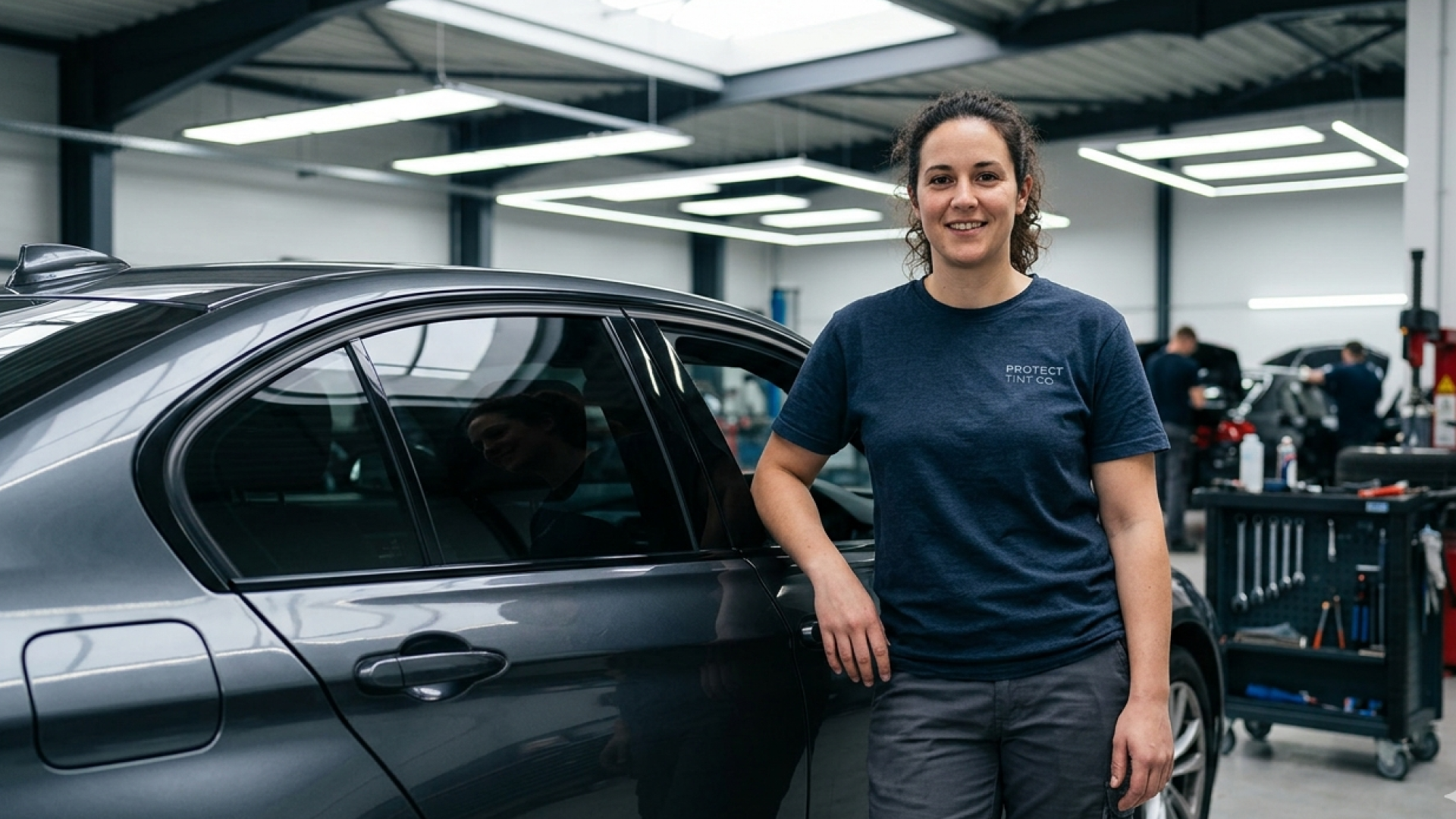
Window tint is one of those upgrades you do once and then forget about until something feels off. It keeps your car cooler, reduces glare, and protects your interior from harsh sunlight. But like anything exposed to daily wear, it does not last forever.
If you have started noticing changes in how your tint looks or performs, it might be time for an upgrade. At Quality Auto Lab, professional tinting is designed for durability, but even the best materials eventually show signs of aging.
Why Window Tint Needs Replacement Over Time
Your window tint faces constant exposure to sunlight, heat, and environmental elements. Over time, this exposure slowly breaks down the film.
As the tint ages, it can lose its ability to block heat and UV rays effectively. If you are curious about how tint contributes to comfort and energy savings, this guide on does window tinting save you money on AC bills offers useful insights.
Replacing old tint ensures your vehicle continues to deliver the comfort, privacy, and protection you expect.
Common Signs Your Window Tint Needs Replacement
Fading or Discoloration
Fading is often the first thing people notice. What was once a rich, even shade can turn dull or patchy.
This is more than just a cosmetic issue. It usually means the film is no longer blocking UV rays effectively. If you want to understand how tint protects against sun damage, check out the importance of window tinting for UV protection during Florida summers.
Bubbling or Peeling Film
Bubbles forming under the surface or edges peeling away are clear signs the adhesive is failing. This can happen due to heat exposure or poor-quality film.
If you suspect your tint quality might be the issue, this guide on how to spot low quality window tint films can help you identify the difference.
Beyond appearance, bubbling can interfere with visibility, which is something you should not ignore.
Reduced Heat and UV Protection
If your car suddenly feels hotter or glare becomes more noticeable, your tint may not be doing its job anymore.
Modern films, especially ceramic options, are designed for superior performance. If you are considering an upgrade, exploring window tinting services can give you a better idea of current options.
Scratches or Surface Damage
Over time, rolling windows up and down can lead to scratches on the tint film. These marks reduce clarity and make your car look worn.
When the damage becomes noticeable, replacement is usually the best solution for restoring a clean finish.
The Benefits of Replacing Old Window Tint
Replacing your tint is not just about fixing what looks bad. It is an opportunity to improve your overall driving experience.
New tint offers better heat rejection, improved glare reduction, and enhanced privacy. It also helps protect your interior from fading and cracking. Pairing tint with services like ceramic coating or vehicle detailing can take your vehicle protection to the next level.
If you are exploring protection options, you might also find this comparison helpful: ceramic coating vs wax which offers better protection.
Why Professional Installation Matters
Removing old tint is not as simple as peeling it off. Done incorrectly, it can leave adhesive residue or even damage your glass.
Professional technicians ensure the old film is removed cleanly and the new tint is applied evenly. At Quality Auto Lab, the focus is on precision and long lasting results.
If you are unsure whether to go the DIY route or not, this article on DIY vs professional auto detailing offers a helpful perspective that also applies to tinting.
Keep Your Vehicle Looking Its Best
Window tint plays a bigger role in your vehicle than most people realize. It affects comfort, safety, and overall aesthetics.
Recognizing when it needs replacement helps you maintain those benefits without compromise. Whether it is fading, bubbling, or reduced performance, taking action early keeps your car looking sharp and feeling comfortable.
If your tint is showing signs of wear, it may be time to explore professional solutions. You can learn more through the latest insights on the Quality Auto Lab blog or reach out directly via their contact page to get started.