Why Florida Drivers Need Paint Protection More Than Other States
Florida drivers face some of the harshest year-round conditions for vehicle paint in the United States. Between intense sunlight, constant humidity, salt air, heavy rain, and airborne contaminants, a car’s exterior is under near-constant stress.
That’s why paint protection in Florida isn’t just a cosmetic upgrade—it’s essential long-term maintenance for preserving resale value and preventing expensive paint correction.
For professional solutions, drivers often rely on services like
Quality Auto Lab Home
and learn more about their background here
About Quality Auto Lab.
What Makes Florida So Harsh on Car Paint?
Florida combines multiple paint-damaging forces at once:
Extreme UV exposure year-round
High humidity and moisture retention
Coastal salt in the air
Frequent rain and storms
High surface heat
Organic contamination (bugs, sap, pollen)
Unlike northern states, there is no seasonal break. Vehicles remain under constant environmental pressure.
Drivers looking for advanced protection often explore
Ceramic Coating Services
or full
Vehicle Detailing Services
to reduce long-term damage.
UV Damage: The Silent Paint Killer
Florida sunlight is one of the biggest threats to automotive paint.
UV radiation breaks down:
Clear coat layers
Paint pigments
Protective wax coatings
Plastic trim
Over time, this leads to:
Faded paint
Oxidation
Loss of gloss
Brittle exterior trim
This effect is significantly worse in Florida due to year-round sun exposure.
Related reading:
Is Ceramic Coating Worth It in Florida Heat
Humidity and Moisture Damage
High humidity in Florida creates constant moisture on vehicle surfaces.
How it affects paint:
Water spotting after rain
Mineral deposits bonding to clear coat
Mold and mildew in seals
Faster contamination buildup
When water evaporates on hot paint, it leaves behind minerals that etch into the surface.
This is why many owners invest in
Ceramic Coating Services
for hydrophobic protection.
Related reading:
How Humidity Impacts Car Paint
Salt Air Exposure (Even Inland)
Many drivers think salt damage only affects coastal cars—but Florida air carries salt inland through wind and humidity.
Effects include:
Accelerated corrosion
Clear coat degradation
Increased oxidation
Moisture attraction
Even vehicles far from the beach are affected over time.
Rain, Storms & Flooding Risks
Florida rain isn’t clean—it often contains pollutants, dust, and minerals.
When it dries on hot paint, it can cause:
Water spots
Surface etching
Permanent staining
Storm season adds:
Debris scratches
Mud contamination
Floodwater exposure
Preparation guides like
Hurricane Prep Detailing Tips
help reduce damage risk.
Bug Splatter, Sap & Organic Damage
Florida’s warm climate increases insect activity year-round.
Organic contaminants can:
Etch clear coat within hours
Bond to paint under heat
Leave permanent stains
Bird droppings and tree sap are especially acidic and damaging in Florida heat.
Heat Damage and Surface Breakdown
High temperatures accelerate paint wear.
Effects include:
Faster oxidation
Weakening of wax layers
Plastic trim fading
Clear coat degradation
Related reading:
How Summer Heat Affects Car Paint
Why Paint Protection Matters More in Florida
Compared to northern states:
Northern regions:
Seasonal UV exposure
Snow/salt only part of the year
Lower humidity
Florida:
Constant UV exposure
Year-round humidity
Continuous salt air exposure
Frequent rain cycles
Persistent heat
This creates nonstop wear on vehicle paint.
Best Paint Protection Options
Ceramic Coating
A nano-protective layer bonded to paint.
Benefits:
UV resistance
Hydrophobic water behavior
Easier cleaning
Long-term gloss
Learn more:
Ceramic Coating Services
Scientific breakdown:
How Ceramic Coating Works
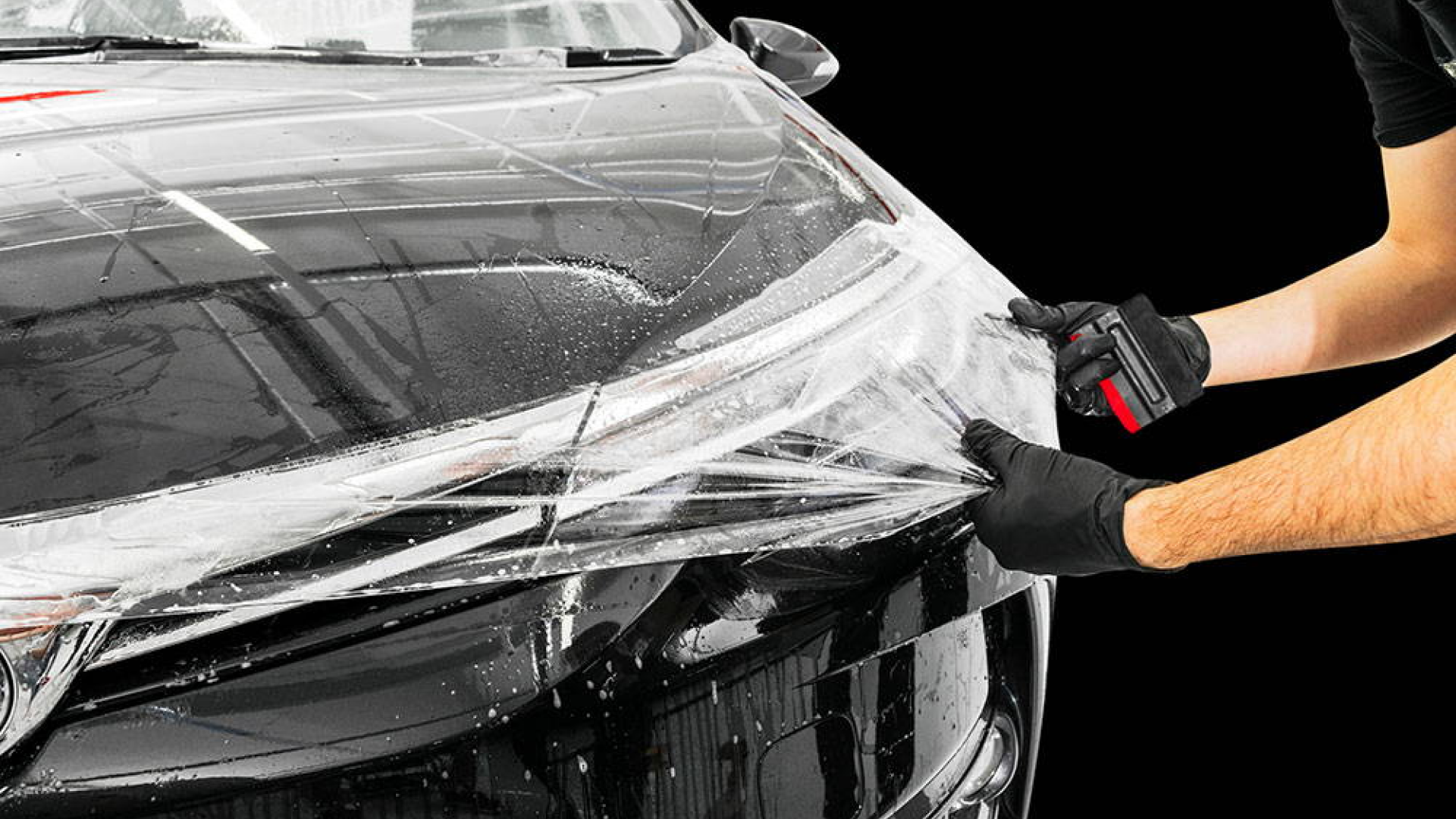
Paint Protection Film (PPF)
A physical urethane layer protecting against rock chips and scratches.
Wax & Sealants
Short-term protection that struggles in Florida conditions due to heat and humidity.
Comparison guide:
Ceramic Coating vs Wax
Benefits of Paint Protection in Florida
UV defense against fading
Easier cleaning in humid climates
Reduced water spot damage
Long-lasting gloss retention
Higher resale value
Professional Detailing Matters
Professional care ensures proper paint preparation before applying coatings.
Learn more:
Vehicle Detailing Services
Top benefits:
Benefits of Professional Detailing
Common Mistakes Florida Drivers Make
Relying only on automatic car washes
Ignoring UV damage until it’s visible
Using cheap wax as protection
Delaying paint protection too long
Related reading:
Auto Detailing Mistakes to Avoid
Interior & Exterior Protection Add-Ons
Window tinting reduces UV heat buildup
Window Tinting ServicesInterior protection prevents sun damage
Interior Protection Guide
Is Paint Protection Worth It in Florida?
Yes—more than in almost any other U.S. state.
It helps:
Prevent long-term paint damage
Maintain vehicle appearance
Reduce maintenance effort
Protect resale value
Extend factory finish life
Final Thoughts
Florida’s environment creates constant paint stress—UV rays, humidity, salt air, heat, and contamination never stop working against your vehicle.
That’s why paint protection isn’t optional—it’s essential preventive maintenance.
To explore more services or book professional care, visit:
Quality Auto Lab Contact
Or browse more educational resources:
Auto Care Blog Hub